











This blog explores how farm machinery companies in India, like TAFE, are transforming agriculture through mechanization, advanced technology, and an understanding of the needs of its major customer base, the farmers. It covers how TAFE reduces labour dependency, improves farmer livelihoods and delivers advanced machinery through its Massey Ferguson and Eicher brands. The blog also examines TAFE’s growing investment in precision agriculture, electric-hybrid technology, and agri-research — making the case for why TAFE is far more than a manufacturer.
The Scale of Indian Agriculture and Why Machinery Matters
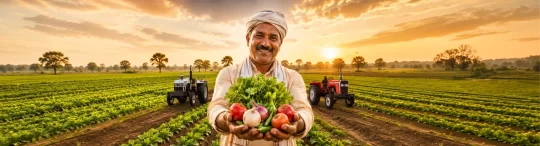
Agriculture is not just an industry in India; it is a way of life. With over 140 million farm holdings and a rural population that depends heavily on cultivation for its livelihood, the challenges of Indian farmers are immense. They face unpredictable weather, rising input costs, a shrinking rural workforce, and the constant challenge of producing more from less.
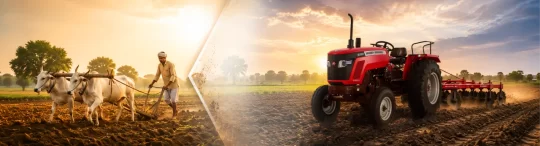
For decades, the answer to these pressures lay in manual labour and traditional methods. But that equation has changed. The role of farm machinery companies in India has never been more critical. Mechanization is no longer a luxury reserved for large commercial farms. It is a necessity; one that directly determines whether a small or marginal farmer can compete, survive, and thrive.
What Farm Machinery Companies in India Actually Do
The phrase “farm machinery company” might conjure an image of a factory producing tractors. But the reality is far more comprehensive. The best farm machinery companies in India function as complete agricultural partners. They design equipment tailored to Indian soil types and cropping patterns, train farmers to use machinery correctly, provide accessible after-sales service, and increasingly offer digital and financial support.
This end-to-end involvement means the impact of a well-run farm machinery company ripples far beyond the field. It reaches the supply chain, the rural economy, and ultimately, food security at the national level. The quality of farm mechanization directly determines how much a farmer earns, how much food reaches the market, and how sustainably the land is used across generations.
How TAFE Is Leading the Charge
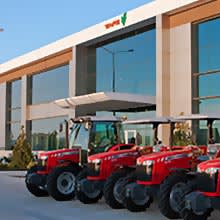
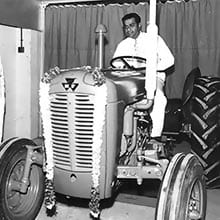
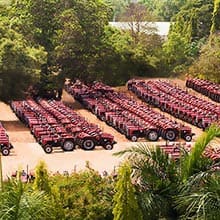
When it comes to farm machinery companies in India, TAFE stands out as a key player. Founded in 1960 and headquartered in Chennai, TAFE (Tractors and Farm Equipment Limited) is one of the largest tractor manufacturers in the world and the second largest in India by volume. Over six decades, TAFE has built a presence that extends across more than 80 countries, serving farmers from across the globe.
But what makes TAFE’s approach genuinely different is its philosophy. TAFE does not simply manufacture machines. It invests in understanding the Indian farmer, the crops they grow, the soil they work, the challenges they face, and the aspirations they hold. This orientation has shaped every product TAFE has built and every service it has developed.
TAFE’s commitment to agriculture runs deeper than commerce. The company has pioneered themed communities around culture, wellness, and heritage, and long before it was fashionable to speak about sustainable development, TAFE was building with intention.
Reducing Labour Dependency Through Mechanization
One of the most significant contributions that farm machinery companies in India make is addressing the growing crisis of agricultural labour. Rural-to-urban migration has steadily reduced the available workforce on Indian farms. During peak sowing and harvesting seasons, this shortage translates into delays, crop loss, and lost income.
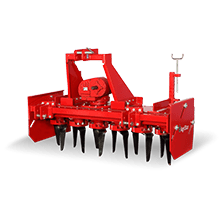
TAFE’s range of tractors and farm implements directly addresses this challenge. A single tractor with the right attachments can accomplish in hours what would take a large group of labourers an entire day. Tillage, sowing, transplanting, spraying, and harvesting, tasks that once required enormous teams, are now manageable by a single operator with the right equipment.
This shift does not merely save time. It reduces the cost per acre of cultivation, improves the uniformity and quality of farm operations, and allows farmers to scale their operations without being constrained by seasonal labour availability. The downstream effect is a more predictable, more productive, and more profitable farming operation.
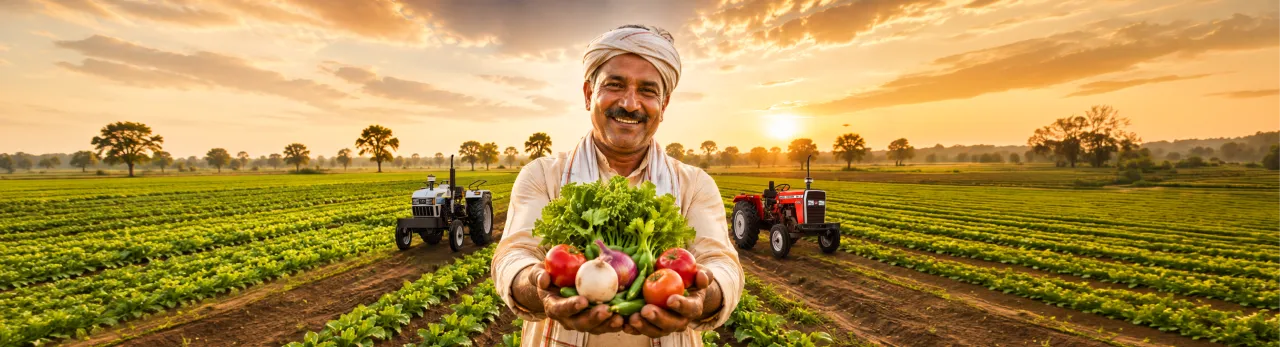
TAFE’s product portfolio, spanning compact tractors for smallholdings to high-horsepower machines for large commercial farms, ensures mechanization is accessible across the entire spectrum of Indian agriculture. Whether a farmer cultivates two acres or two hundred, there is a TAFE solution built for their needs.
Improving Farmer Livelihoods — Beyond the Machine
The best farm machinery companies in India understand that a tractor alone does not transform a farmer’s life. The transformation happens when machinery is accompanied by knowledge, access, and support. TAFE has built its reputation not just on the quality of its products, but on the ecosystem it has created around them.
TAFE’s extensive dealer and service network ensures that farmers are never far from the support they need. Timely maintenance and spare parts availability are critical in an industry where a breakdown during planting or harvesting season can mean the difference between a good year and a disastrous one. TAFE’s after-sales infrastructure is designed with this urgency in mind.
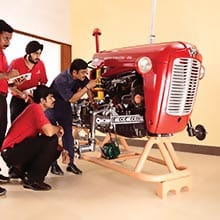
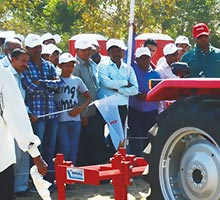
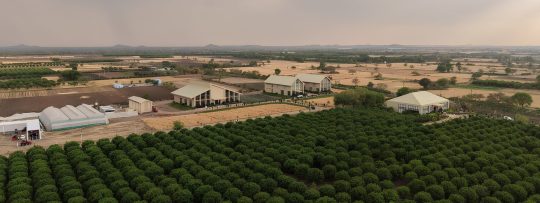
Beyond service, TAFE invests in farmer education through training programs, demonstrations, and knowledge-sharing initiatives. TAFE’s JFarm, the company’s agri-research centre, provides farmers with access to advanced and sustainable farming solutions, crop advisory services, and community farming models that help even small and marginal farmers access the productivity benefits of modern equipment.
Initiatives like JFarm Services, the free tractor rental scheme, which helped small farmers across the country cultivate hundreds of thousands of acres, demonstrate TAFE’s commitment to farmer welfare.
TAFE’s Massey Ferguson and Eicher Tractors
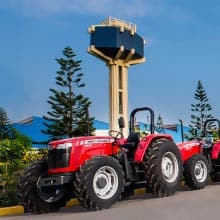
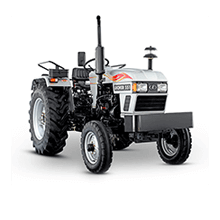
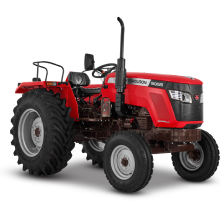
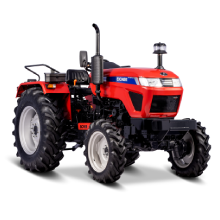
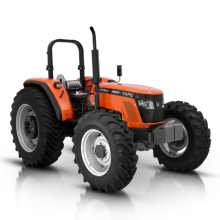
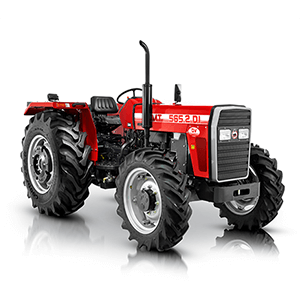
TAFE manufactures Massey Ferguson as well as Eicher tractors, names that have earned deep trust among Indian farmers for decades.
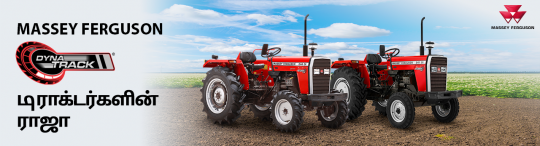
Massey Ferguson tractors are known for their versatility, durability, and performance across diverse agricultural applications, from conventional field cultivation to commercial haulage and construction-related tasks. The Massey Ferguson DynaTrack, for instance, has redefined what Indian farmers expect from an all-rounder tractor.
Eicher tractors, on the other hand, have built their loyal following on the basis of reliability, fuel efficiency, and low total cost of ownership, qualities that matter deeply to Indian farmers who operate on tight margins. Together, these brands give TAFE one of the broadest and most capable product portfolios of any farm machinery company in India.
Technology, Innovation, and the Future of Indian Farming
The next chapter for farm machinery companies in India is being written in the language of technology. Precision agriculture, GPS-guided machinery, smart sensors, and data-driven farm management are no longer distant concepts. They are actively shaping how progressive Indian farmers are approaching cultivation.
TAFE has been at the forefront of this transition. The company’s investment in innovation is visible in its product development pipeline, its participation in global agricultural technology events like Agritechnica, and its unveiling of concepts like the EVX75 electric-hybrid tractor, a signal that TAFE is not just building for today’s farmer but for the farmer of tomorrow.
TAFE’s partnership with institutions like ICRISAT to set up an agri-research centre in Hyderabad further demonstrates its commitment to evidence-based, innovation-led agriculture. These collaborations bridge the gap between research and the field, ensuring that scientific advances reach farmers in practical, accessible forms.
Conclusion
The story of how farm machinery companies in India are supporting farmers is, at its core, a story about trust. The opportunity to work smarter, earn more, depend less on uncertain labour, and build a farming enterprise that is sustainable across generations.
TAFE represents this story at its best. In over six decades of building tractors, developing services, training farmers, and investing in agricultural research, TAFE has demonstrated that a farm machinery company can be far more than a manufacturer. It can be a force for real, lasting change in the lives of the people who feed the nation.
For Indian farmers navigating a complex and demanding landscape, TAFE’s presence, in the field, in the workshop, and in the research laboratory, is a reassurance that they do not navigate it alone.





































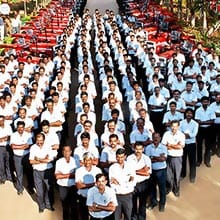
 TAFE TRIBE
